April 23, 2026
Modern communities do not emerge by chance. Every neighborhood, commercial center, roadway, and public space begins with careful planning and precise groundwork. Before structures can rise, the land itself must be shaped, stabilized, and prepared to support long-term development. This is where excavation services play a foundational role, ensuring that construction projects begin with the structural integrity and site readiness required for lasting success.
As demand for housing and infrastructure continues to grow, the importance of proper site preparation becomes even more apparent. According to industry data from Autodesk, nearly 5 million new housing units were built between 2020 and 2025, underscoring the scale at which land must be prepared to accommodate expanding communities. This level of development requires a disciplined approach to excavation, one that balances efficiency, safety, and long-term durability.
Establishing Strong Foundations for Community Growth
Preparing Land for Structural Stability
At the core of every successful construction project is a stable foundation, and excavation services are responsible for creating that essential base. Before any concrete is poured or framing begins, the site must be cleared, leveled, and properly graded. This process removes unsuitable soil, debris, and organic material that could compromise structural integrity over time. Careful land preparation ensures that the soil beneath a structure can support its weight without shifting or settling unevenly. Contractors assess soil composition, moisture levels, and load-bearing capacity to determine how best to prepare the site.
Excavating Foundations and Footings
Once the site is prepared, excavation professionals move on to digging foundations and footings. This stage requires precise measurements and adherence to engineering specifications to ensure that the structure will remain stable under various loads and environmental conditions. Excavation professionals must account for depth, width, and soil conditions when creating foundation trenches. Even minor deviations can lead to costly corrections later in the construction process.
Supporting Large-Scale Development Projects
Modern communities often involve large-scale developments, including residential subdivisions, commercial complexes, and public infrastructure. These projects require coordinated excavation efforts that align with strict timelines and regulatory requirements. From clearing expansive parcels of land to preparing multiple building pads, excavation teams play a central role in keeping projects on schedule. Their ability to manage complex site conditions ensures that developers can move forward without unnecessary delays.
Reducing Long-Term Structural Risks
One of the most significant benefits of professional excavation is the prevention of future structural issues. Improper site preparation can lead to soil movement, water infiltration, and foundation instability, all of which can compromise the longevity of a building. By addressing these risks early, excavation services help property owners avoid costly repairs and maintenance down the line. Proper soil compaction, grading, and drainage planning all contribute to a structure that remains stable for decades.
Enabling Efficient Construction Progress
A well-executed excavation process sets the stage for every phase that follows. When the site is properly prepared, contractors can proceed with confidence, knowing that the groundwork has been completed to exact specifications. This efficiency reduces the likelihood of delays, rework, and unexpected complications. As a result, construction projects are more likely to stay on schedule and within budget, benefiting both developers and future occupants.
Facilitating Infrastructure and Utility Integration
Creating Pathways for Essential Utilities
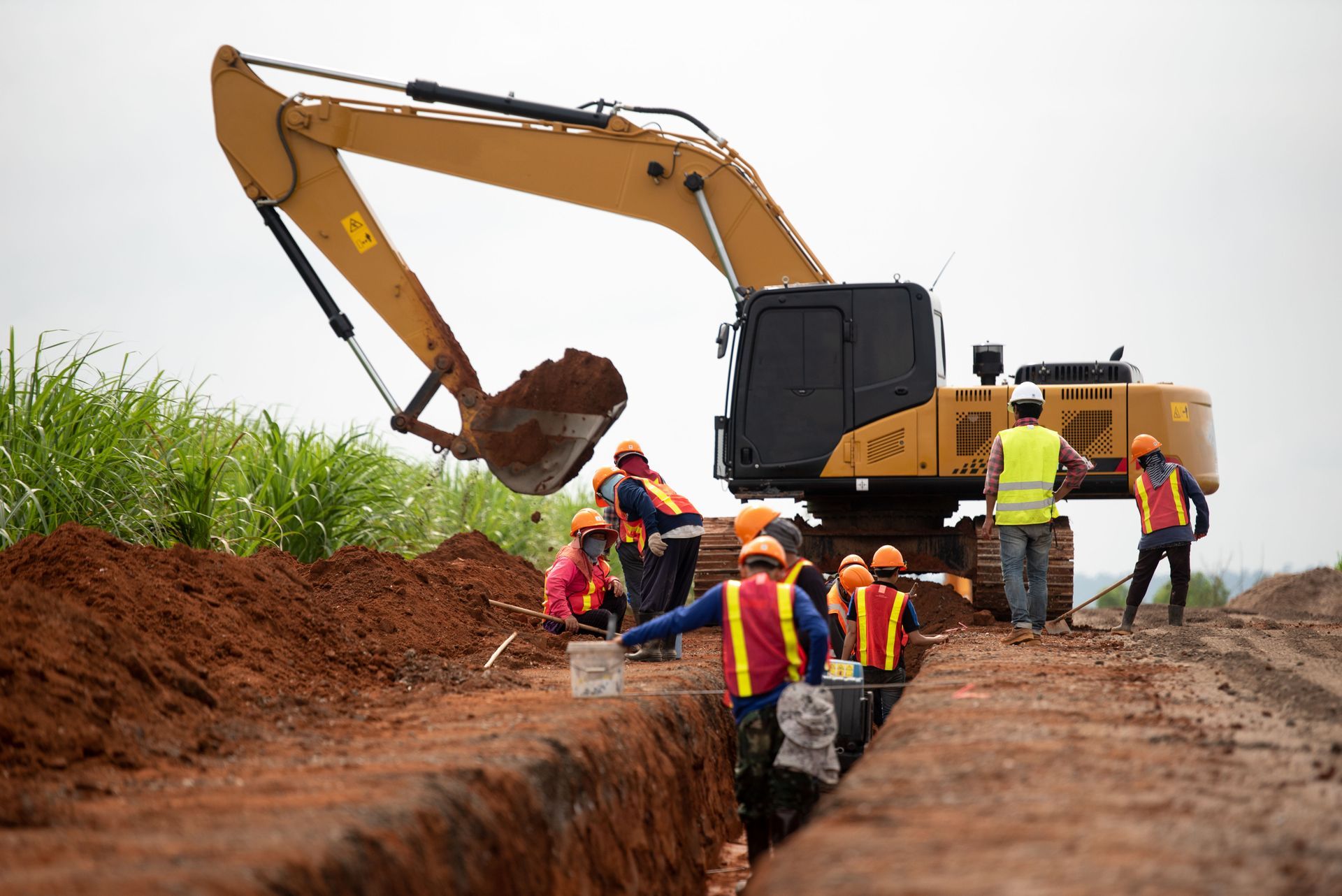
Modern communities rely on a network of utilities, including water, sewer, gas, and electrical systems. Excavation contractors are responsible for creating the trenches and pathways needed to install these critical components. Utility trenching requires precision to ensure proper depth, alignment, and spacing. Contractors must also consider factors such as soil stability and drainage to prevent future issues with utility lines. Proper trenching ensures that these systems function reliably and remain accessible for maintenance.
Supporting Roadways and Transportation Networks
Road construction is another area where excavation plays a vital role. Before asphalt or concrete can be laid, the underlying soil must be properly graded and compacted to support the weight of traffic. Professional excavation services help create a stable sub-grade that prevents cracking, potholes, and other common roadway issues. By ensuring proper drainage and soil stability, excavation teams contribute to safer and more durable transportation networks within communities.
Enhancing Drainage and Water Management
Effective drainage is essential for protecting both structures and infrastructure. Without proper water management, communities are at risk of flooding, erosion, and property damage. Excavation contractors address these concerns by shaping the land to direct water away from buildings and toward designated drainage areas. This process involves creating slopes, installing drainage systems, and ensuring that water flows efficiently across the site.
Proper grading not only protects individual properties but also contributes to the overall resilience of a community. By preventing standing water and soil erosion, excavation professionals help maintain the integrity of roads, utilities, and landscaping.
Coordinating With Regulatory Requirements
Infrastructure development is subject to a wide range of regulations designed to ensure safety and environmental protection. Excavation companies must adhere to these requirements at every stage of the process. This includes obtaining permits, following grading guidelines, and implementing erosion control measures. Compliance with local regulations helps prevent delays and ensures that projects meet established standards.
Improving Accessibility and Land Use
Efficient land use is a key consideration in modern community planning. Excavation experts help optimize site layouts by reshaping the land to accommodate buildings, roads, and public spaces. By creating level surfaces and well-defined boundaries, excavation teams enable developers to make the most of available land. This not only improves functionality but also enhances the overall design and usability of a community.
Promoting Environmental Responsibility and Long-Term Sustainability
Managing Soil and Erosion Control
Excavation has the potential to disrupt natural landscapes, making it essential to implement measures that minimize environmental impact. Professional excavation services prioritize soil management techniques that reduce erosion and preserve site stability. This includes the use of temporary barriers, controlled soil removal, and strategic grading. These practices help prevent sediment from entering nearby waterways and protect surrounding ecosystems.
Preserving Natural Features
Whenever possible, excavation projects aim to preserve existing natural features such as trees, vegetation, and terrain. Maintaining these elements not only supports environmental health but also enhances the aesthetic value of a community. Careful planning allows contractors to integrate natural features into the overall design, creating spaces that feel both functional and harmonious with the environment.
Reducing Waste Through Efficient Practices
Excavation generates a significant amount of material, but efficient practices can help minimize waste. Reusing excavated soil on-site, when appropriate, reduces the need for additional materials and limits disposal requirements. This approach not only supports environmental goals but also contributes to cost efficiency. By making the most of available resources, excavation services provide both economic and ecological benefits.
Protecting Water Quality
Water management is a critical aspect of environmentally responsible excavation. Without proper controls, runoff can carry sediment and pollutants into nearby water sources. Excavation contractors address this risk by implementing drainage systems and erosion control measures that protect water quality. These efforts are essential for maintaining healthy ecosystems and complying with environmental regulations.
Supporting Long-Term Land Stability
Sustainability in construction is not just about minimizing immediate impact but also about ensuring long-term stability. Proper excavation techniques contribute to land that remains stable and functional over time. By addressing soil conditions, drainage, and grading at the outset, excavation services help create communities that can withstand environmental challenges. This long-term perspective is essential for supporting growth while preserving the integrity of the land.
The development of modern communities depends on far more than architectural design and construction materials. It begins with the land itself and the expertise required to prepare it for long-term use. Experienced excavation services provide the critical groundwork that supports everything from residential homes to large-scale infrastructure. By establishing stable foundations, facilitating utility integration, and promoting responsible land management, excavation professionals play an indispensable role in shaping the built environment. If you're looking for reliable excavation contractors, reach out to Flat Creek Excavating LLC!