May 27, 2026
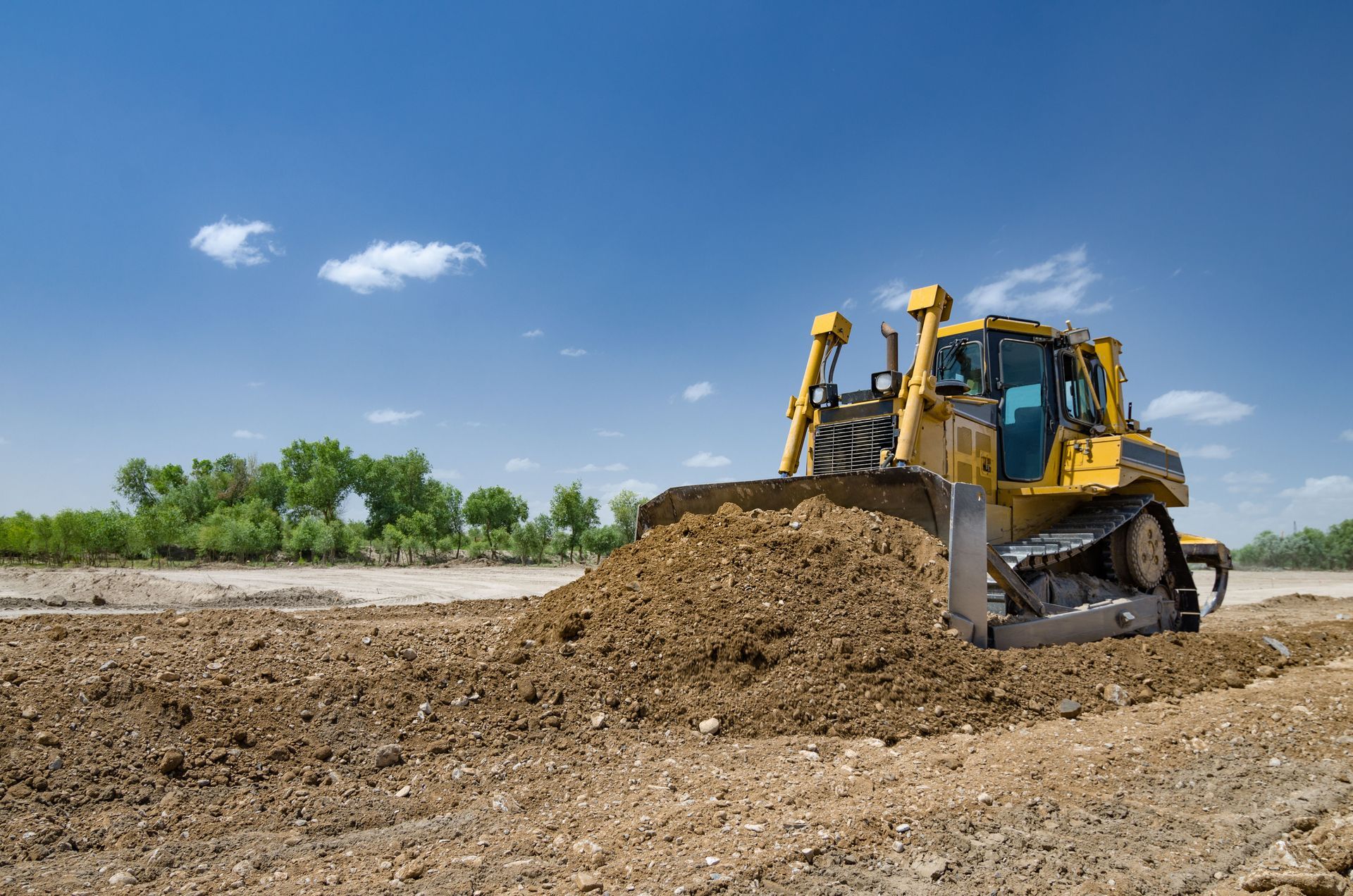
Before the first piece of machinery rolls onto a plot, detailed planning goes into preparing the land for construction. You simply cannot build a stable foundation on uneven ground. This is exactly where site grading companies step in to prepare the site for future success. They evaluate the property to make sure it's safe, level, and ready for development. Attempting to build without proper site preparation leads to structural issues and water damage down the line.
The preparation phase involves a thorough analysis of the environment. Professionals look at distinct variables to determine the best approach for leveling and shaping the ground. They assess everything from the composition of the dirt underfoot to the way rain flows across the property during a storm. Understanding these factors prevents costly delays. Let's explore the primary elements experts examine before they begin moving earth to establish a solid base.
Assessing Soil Quality and Composition
The type of dirt on a property dictates how well the ground can support a building. Not all dirt is the same, and builders must know what they're dealing with before pouring concrete. Sand, clay, and loam behave differently when compressed or exposed to moisture. Clay holds onto water and expands, while sand lets water pass right through and shifts easily under pressure. A solid understanding of these materials is a fundamental requirement.
To get this understanding, teams take core samples from various spots around the lot. They send these samples to specialized labs to determine the load-bearing capacity of the earth. If the dirt is soft or expansive, it won't hold up a concrete foundation without shifting over time. Experienced site grading companies know how to interpret these lab results to decide if they need to bring in different fill dirt to fix the identified issues.
Sometimes the top layer of the earth is full of organic matter like roots and decaying leaves. This topsoil is great for planting gardens, but terrible for supporting commercial structures. As organic matter breaks down, it creates hidden voids in the earth that lead to settling. Therefore, the first physical step is scraping away this entire layer of topsoil to reach the solid subsoil beneath. This prevents long-term shifting problems entirely.
Evaluating Topography and Natural Slopes
A flat plot of land is rare in nature. Most properties have dips, hills, and uneven spots that complicate the building process. Evaluating the natural layout helps crews understand how much earth they need to cut away or add. They use advanced laser surveying equipment to map out the precise elevations across the entire space. This mapping phase prevents surprises once the heavy machinery arrives to begin the physical transformation process.
Creating a flat pad for the building is only part of the equation. The land surrounding the building must also slope appropriately to direct water away from the foundation. According to This Old House, a 5% slope is typically an ideal grade. Achieving this specific angle requires precise measurements and careful movement of soil to reshape the landscape properly. Proper slopes prevent puddles from forming near the newly constructed exterior walls.
Surveyors mark the property with wooden stakes to guide the machinery operators. These stakes serve as physical reference points for the desired elevation at various locations. Operators follow these markers meticulously to carve out the planned topography without making errors. Reputable site grading companies depend heavily on these visual guides to translate blueprints into a physical reality. By the end of this process, the natural terrain transforms into a calculated and controlled environment ready for construction.
Analyzing Water Flow and Drainage Patterns
Water is often the primary enemy of any building project. Planners spend a large portion of their preparation phase figuring out where rainwater goes. If excess water pools around a foundation, it seeps into the concrete and compromises the structural integrity of the building. Over time, poor drainage leads to cracked walls, flooded basements, and mold growth inside the home or commercial space. Taking steps to control moisture is a mandatory part of the land preparation process.
To prevent these disasters, experts study the natural watershed of the local area. They look at how rain flows from neighboring properties onto the project site and vice versa. It's critical to manage this runoff so that the new construction doesn't flood an adjacent property. Professional site grading companies must balance the needs of the new building with the surrounding environment to keep everything dry, protected, and fully compliant.
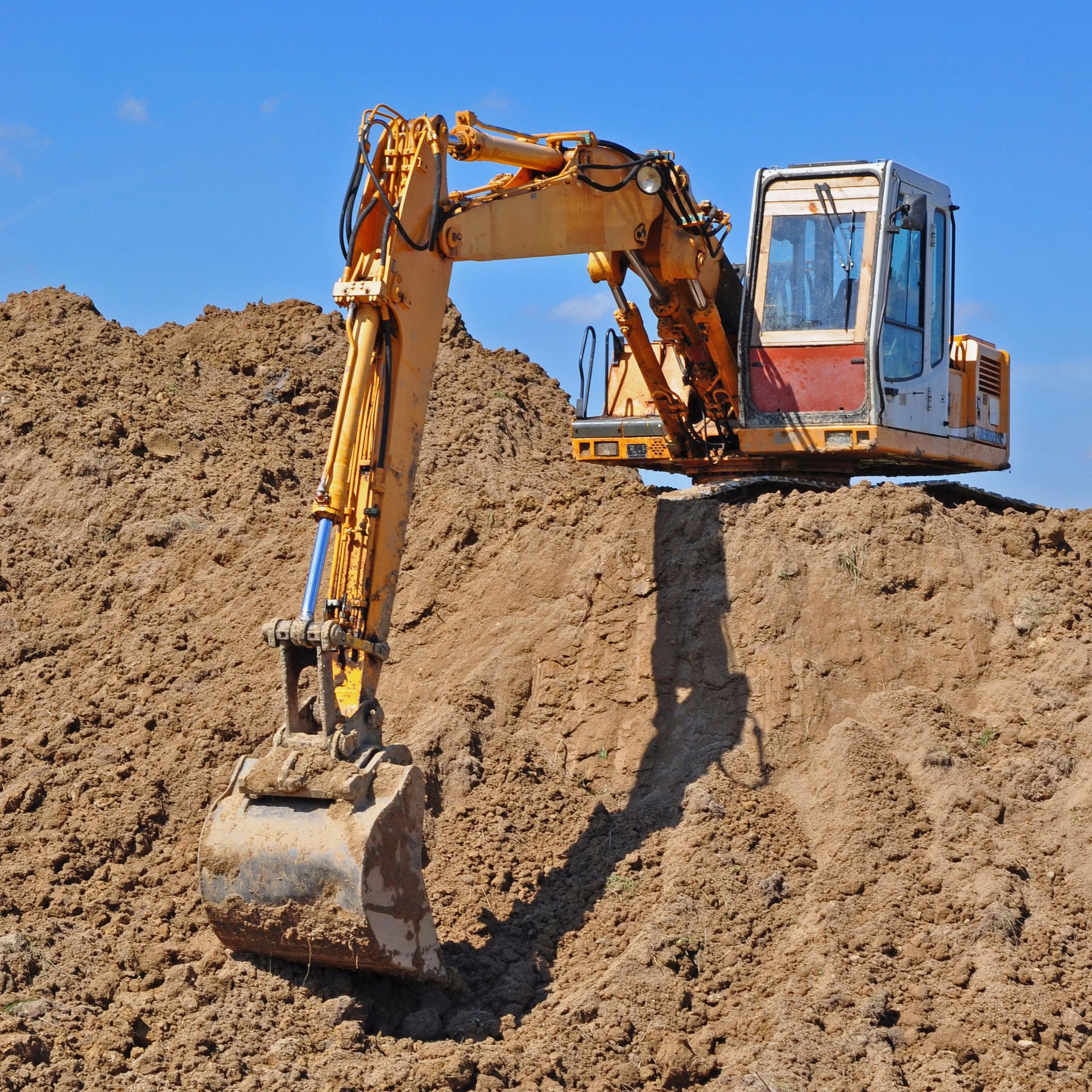
Sometimes, shaping the earth simply isn't enough to handle heavy rainfall. In these scenarios, planners install underground drainage solutions like French drains or large catch basins. These systems capture excess water and channel it safely away from the primary building area. Many expert teams choose to install these pipes by digging deep trenches at specific angles. This ensures gravity can do the hard work of moving the water along toward designated municipal runoff points.
Locating Utility Lines and Environmental Regulations
Digging into the earth without knowing what lies beneath is dangerous. Before any excavation starts, crews must clearly map out all existing underground utilities. Striking a gas line, water main, or electrical cable can cause accidents and shut down entire neighborhoods. Experienced site grading companies will contact local utility providers to mark the exact locations of these hidden hazards with colored flags and spray paint. This crucial step prevents life-threatening emergencies and keeps the project on schedule.
Even with detailed maps in hand, equipment operators must proceed with caution when working near marked utilities. Expert crews use special digging techniques like hydro excavation to safely uncover pipes without damaging them. This method uses pressurized water to move the dirt away, revealing the hidden lines so workers can navigate around them safely and efficiently. Protecting the local infrastructure is just as important as preparing the site for its upcoming structural foundation.
Beyond man-made utilities, strict environmental regulations dictate how and where crews can dig. Local governments protect natural features like wetlands, streams, and habitats for endangered species. Planners must secure the proper permits and establish clear boundaries to ensure their heavy machinery doesn't encroach on protected areas. Crews install silt fencing around the perimeter to keep loose dirt from washing into nearby waterways. Respecting these environmental boundaries ensures the project moves forward legally.
Preparing a plot of land for construction is a complex process that requires specific expertise. Every single detail from the dirt composition to the underground utilities plays a critical role in the success of the project. Reliable planners take the time to evaluate all these crucial factors before they ever turn the key on a bulldozer. Their meticulous planning ensures the building has a stable base and remains safe from water damage for years.
The work done below the ground is just as important as the structure built above it. A properly executed site preparation phase sets the tone for the entire construction schedule. By paying close attention to soil, slopes, drainage, and regulations, top-tier site grading companies pave the way for successful development. The longevity of any building relies heavily on the deliberate and calculated actions taken before ground is ever broken on the property.
If you're ready to prepare your property for a flawless build, contact Flat Creek Excavating LLC today. We stand out among local site grading companies by ensuring your new foundation rests on perfectly graded ground.