July 9, 2026
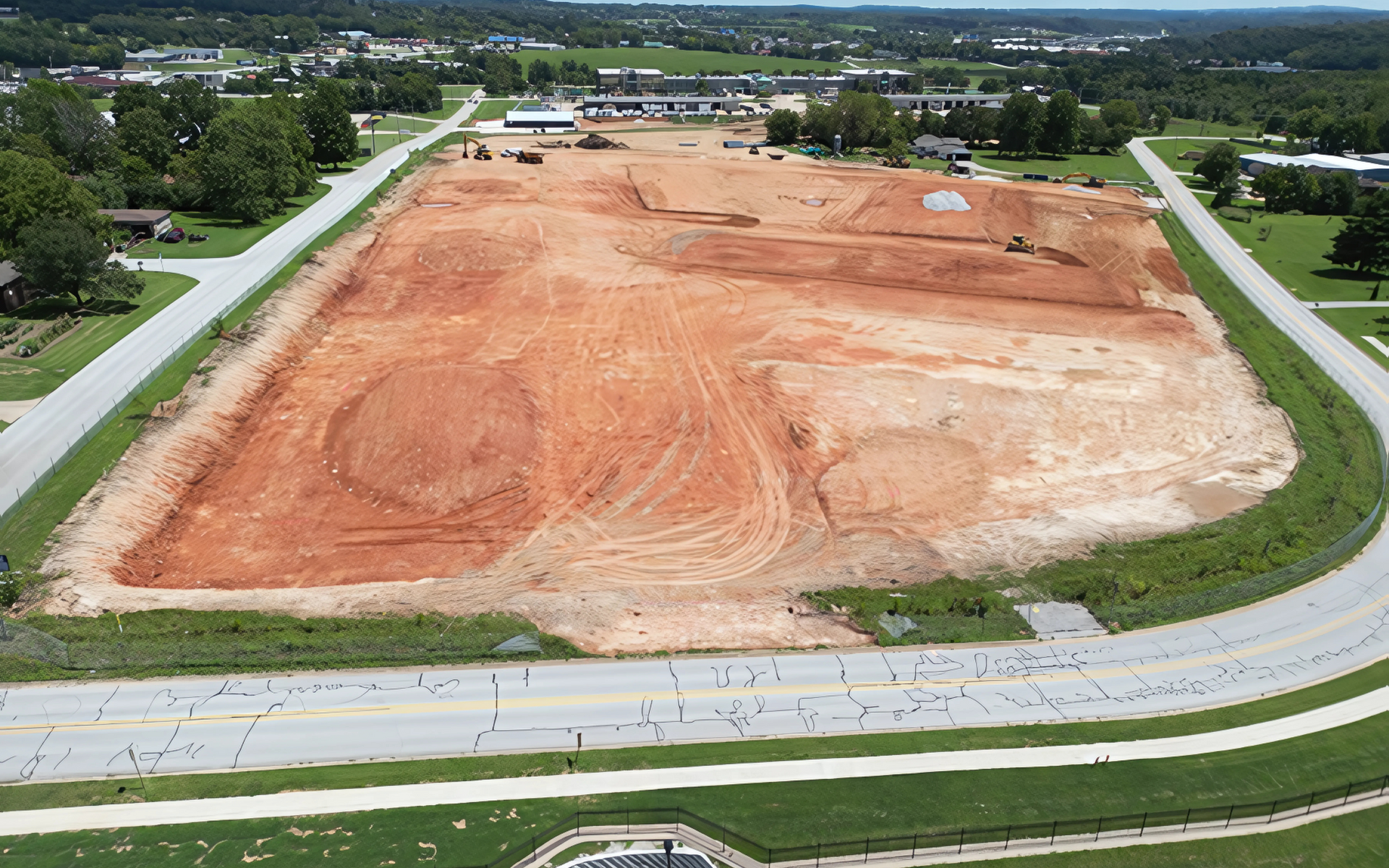
Site grading is a crucial process in the realm of construction and land development. It involves the careful assessment and alteration of land to create a stable and suitable surface for building. This process is vital not only for enhancing the aesthetic appearance of a property but also for ensuring structural integrity and compliance with local regulations. Through precise planning and execution, site grading helps to establish a solid foundation for various types of construction projects. This article delves into the multifaceted world of site grading services and their undeniable importance in successful land development.
The Fundamentals of Site Grading
Core Grading Principles
Site grading refers to the process of preparing land by altering its surface levels to meet specific design and engineering requirements. This preparation involves the manipulation of the earth through cutting, filling, and leveling operations. The primary purpose of site grading is to ensure that the land is suitable for construction, providing a solid foundation for structures and promoting proper drainage. The importance of site grading lies in its ability to mitigate potential issues such as flooding and soil erosion that can compromise building integrity.
Common Grading Types
There are several types of site grading, each serving a unique purpose in land development. Cut-and-fill grading involves the removal of earth from one area and using it to fill another, creating a balanced landscape. Rough grading establishes the general shape and slope of the land, which is essential for effective water drainage. Finish grading is the final touch, smoothing the surface and preparing it for construction or planting. Each type of grading is critical in achieving the desired topography and ensuring the land is ready for subsequent development steps.
The Importance of Site Surveying
Surveying is a fundamental component of site grading, as it provides the accurate measurements and data needed for precise land preparation. By using advanced tools and techniques, surveyors map out the land's contours and dimensions, guiding the grading process. This ensures that all site grading operations adhere to the planned design and engineering specifications. According to SafetyCulture, one of the primary objectives of site grading is to minimize environmental impact and comply with local regulations, which surveying helps to achieve.
Benefits of Professional Site Grading Services
Proper Surface Drainage
One of the key benefits of professional site grading services is the establishment of proper drainage systems on a property. Grading helps to direct water flow away from structures and towards designated drainage areas, preventing water accumulation and potential flooding. Effective drainage not only protects buildings but also enhances landscape health by maintaining optimal moisture levels. Properly graded sites reduce the risk of soil erosion and sediment runoff, contributing to environmental sustainability. By partnering with experienced site grading contractors, property owners can ensure that their land is equipped to handle water efficiently.
Foundation Stability Improvements
Site grading is critical in enhancing the stability of a property's foundation, which is essential for the long-term durability of structures. By leveling and compacting the soil, grading creates a consistent and supportive base that can bear the weight of buildings and withstand environmental pressures. Proper grading also plays a role in distributing structural loads evenly, preventing uneven settling and foundation shifts. This not only improves the building's structural integrity but also reduces the likelihood of costly repairs and maintenance. Investing in professional site grading services ensures that construction projects have a steadfast foundation from the outset.
Landscape Aesthetic Enhancements
In addition to its functional benefits, site grading significantly contributes to the visual appeal of a property. Well-graded landscapes present a clean, polished appearance that enhances the overall aesthetic value of the site. Grading allows for the creation of aesthetically pleasing features, such as terraces and slopes, that add depth and dimension to the landscape. It also ensures that landscaping elements, like gardens and lawns, are presented in their best light by providing an ideal surface for planting.
Contractor Selection Criteria
Contractor Experience and Expertise
When selecting a site grading contractor, evaluating their experience and expertise is paramount. Experienced contractors bring a depth of knowledge and skill to projects, ensuring efficient and high-quality grading services. Prospective clients should assess a contractor's track record and their familiarity with specific grading challenges and solutions. Engaging a contractor with a proven history of successful projects provides confidence in their ability to deliver results. With seasoned expertise, contractors can navigate complex site conditions and regulatory requirements, fulfilling all grading objectives effectively.
Past Project Portfolios
Reviewing a contractor's past projects is an indispensable step in the selection process, offering insights into their quality of work and style. A contractor's portfolio provides tangible evidence of their capability to deliver on similar projects, showcasing their proficiency in site grading. Clients should examine case studies or reference previous projects that align with their specific needs and demands. This examination reveals the contractor's attention to detail, adherence to schedules, and commitment to meeting client expectations. Analyzing past work empowers property owners to make informed decisions and choose a contractor that aligns with their vision.
Financial Estimates and Accuracy
Obtaining accurate estimates for site grading services is vital for budget planning and financial forecasting. Detailed and transparent cost assessments from contractors help clients anticipate expenses and allocate funds efficiently. This includes considerations of labor, equipment, materials, and unforeseen contingencies that may affect the final cost. Understanding these financial components allows property owners to compare bids and determine the best value for their investment.
Costs and Budgeting for Site Grading
Primary Cost Drivers
Several factors drive the costs associated with site grading services, directly impacting project budgeting and planning. Key cost drivers include site complexity, machinery usage, labor requirements, and material expenses. Additional considerations might involve permits, regulatory compliance, and environmental assessments. Understanding these factors allows clients to anticipate financial needs and accommodate fluctuations in project expenses. By identifying the specific elements influencing costs, property owners gain a comprehensive view of the financial implications associated with site grading activities.
Allocation and Budgeting Strategies
Effective budgeting for site grading requires strategic planning and allocation of resources. Developing a detailed financial plan that encompasses all aspects of grading work is essential for maintaining control over project costs. Clients should factor in potential contingencies and establish a buffer to manage unexpected expenses. Prioritizing necessary work while maintaining flexibility for adjustments enables the completion of grading projects within budget constraints. By adopting savvy budgeting strategies, property owners can achieve cost-efficiency and safeguard their investment throughout the site grading process.
Contractor Quote Comparisons
Comparing contractor quotes is an essential step in securing competitive pricing and value for site grading services. Clients should solicit detailed estimates from multiple contractors, highlighting their specific needs and project specifications. Evaluating these quotes involves assessing not just the cost but also the scope and quality of work proposed. Balancing cost against the contractor's experience, reputation, and project approach ensures a well-rounded selection process. Consistently comparing quotes empowers property owners to select contractors who deliver optimal results within financial constraints.
Site grading services are an indispensable step in the preparation and development of land for construction and related projects. Through meticulous planning, innovative techniques, and adherence to regulatory standards, site grading lays the essential groundwork for structural stability and long-term success. With technology and sustainability at the forefront of its evolution, site grading continues to adapt and innovate, setting the stage for groundbreaking developments and urban advancements. Contact Flat Creek Excavating LLC today to shape your property with precision site grading services.