February 27, 2026
Using a site grading contractor is a critical step in land development, affecting everything from drainage and foundation stability to the overall appearance of a property. Preparing a site for grading requires careful planning and a clear understanding of how land modifications impact long-term performance. Proper preparation helps reduce construction challenges and supports smoother project execution. Taking time to address key considerations early can also limit unexpected costs and delays as work progresses.
1. Research and Knowledge of Requirements
Researching local zoning and land regulations is the first step toward a successful site grading process. These regulations often dictate what modifications are permitted, helping property owners avoid fines, delays, or required rework. Understanding these guidelines allows site plans to align with municipal standards from the beginning, reducing the risk of legal complications later. Early research also helps identify permit requirements and inspection timelines that may affect project scheduling.
Comprehending the purpose of a site grading contractor goes beyond regulatory compliance and plays a major role in long-term site performance. Proper grading affects structural stability, surface drainage, and erosion control. The slope of the land is especially important, as it directs water away from foundations and prevents pooling. According to This Old House, a 5% slope is an ideal grade for most structures for appropriate drainage and foundation stability.
Consulting with experienced professionals is an important part of understanding site grading requirements. Civil engineers and construction consultants offer insight that goes beyond basic research and help identify potential challenges early in the process. These experts can incorporate soil composition data, drainage considerations, and environmental impact findings into project planning. Their guidance supports more informed decisions and helps create a grading plan.
2. Conduct a Thorough Site Assessment
A detailed site assessment uncovers natural features and topography that can affect grading outcomes. Identifying slopes, depressions, and elevation changes helps guide decisions on how soil should be redistributed across the site. Mapping these features early supports more accurate planning and reduces guesswork during construction. This upfront evaluation can save time, control costs, and limit unexpected adjustments once the site grading contractor begins.
Surveying existing utilities and structures is another critical part of the site assessment process. Locating underground utilities, drainage lines, and nearby foundations helps avoid accidental damage during grading activities. Clear documentation and accurate mapping support safer excavation practices and smoother coordination with utility providers. Addressing these factors early reduces the likelihood of project delays and costly repairs.
Evaluating natural water drainage patterns is essential for effective land development. Understanding how water moves across the site helps guide grading strategies that manage runoff and reduce erosion risks. Hydrology studies are often used to evaluate how grading changes may affect neighboring properties or natural waterways. Proper drainage planning supports long-term site stability and helps prevent water-related issues after construction is complete.
3. Secure Necessary Permits and Approvals
Identifying required permits for site grading contractor activities is a critical legal step in the planning process. Many jurisdictions require permits for land alteration, especially when changes affect drainage patterns or soil stability. Securing the proper approvals helps avoid interruptions, fines, or mandated corrections after work begins. Early awareness of permitting needs also supports more accurate project timelines and budgeting.
Understanding permit application procedures can significantly influence how quickly approvals are granted. Familiarity with local authority requirements, documentation standards, and review timelines helps streamline preparation and submission. Applications that are complete and well-documented tend to move through the review process more efficiently. Taking the time to prepare thoroughly can reduce revisions and resubmissions that slow progress.
Engaging with local authorities should not be overlooked during the permitting process. In some cases, direct communication with planning or zoning departments provides clarity on expectations and project constraints. These discussions can help resolve questions before submission and reduce misunderstandings later. Maintaining open communication encourages cooperation and supports a smoother path to approvals and renewals.
4. Create a Detailed Grading Plan
Setting clear objectives for the site grading contractor sets the foundation for a successful project. Whether the aim is to improve drainage, prepare for construction, or enhance the landscape, defined goals help shape a focused and practical strategy. These objectives guide decision-making throughout the grading process. Clear priorities also help align design choices with site conditions and long-term property use.
Drafting an initial site plan layout includes considerations for current needs and potential future expansion. Utilizing site simulations and modeling software allows teams to visualize changes and anticipate impacts before physical work begins. These layouts function as a roadmap for construction, supporting both visual appeal and functional performance throughout the grading process.
Incorporating stormwater management features into the grading plan is vital for controlling runoff and limiting erosion. Elements such as retention ponds, swales, and permeable surfaces help manage excess water effectively. Planning for these components supports regulatory compliance and protects surrounding landscapes. Thoughtful stormwater design also reduces maintenance demands and improves the long-term resilience of the site.
5. Select the Right Equipment and Team
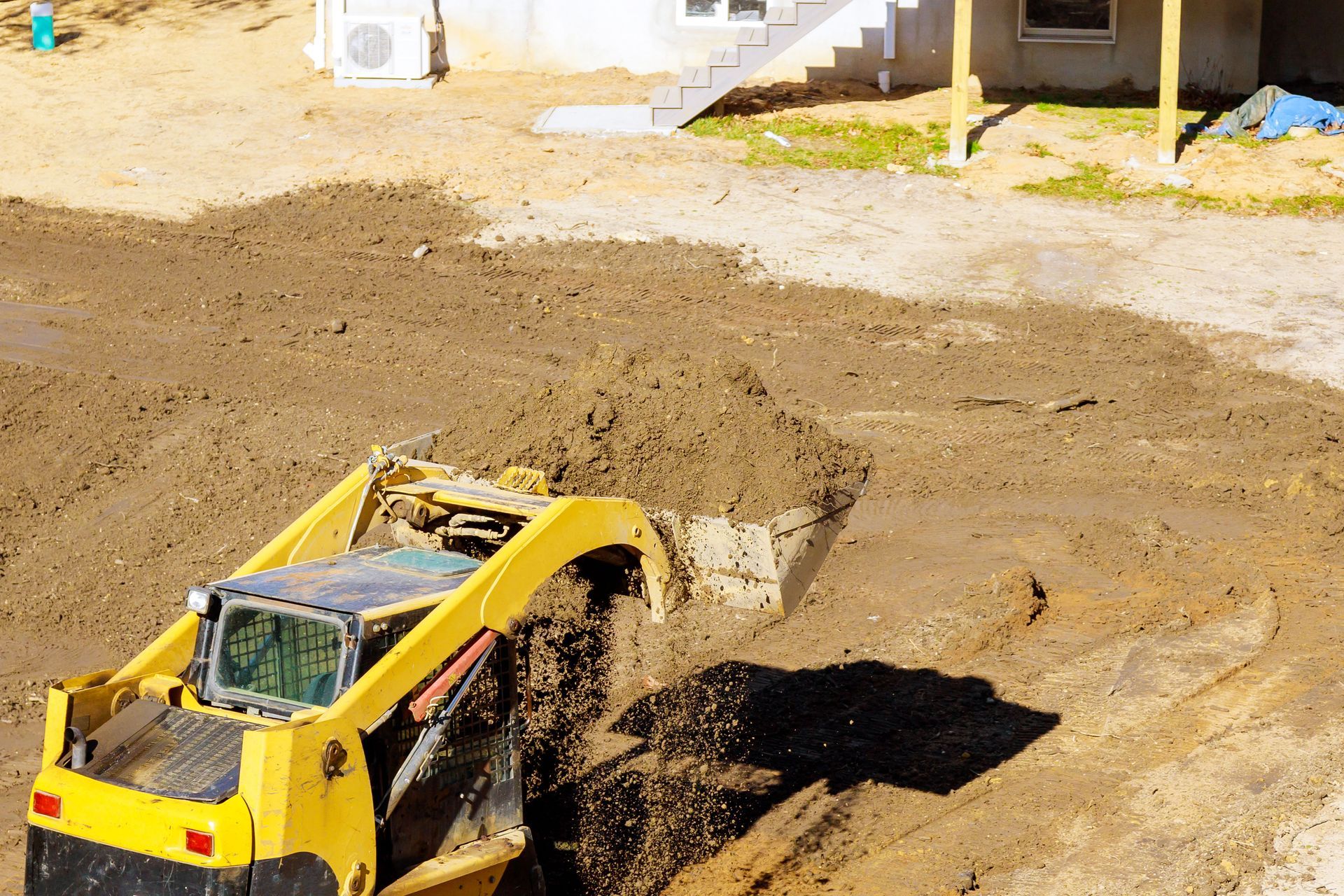
Choosing specialized grading equipment tailored to the site’s requirements improves efficiency and overall performance. While large-scale projects may require heavy machinery, smaller sites often benefit from compact equipment that allows for greater precision. The right tools help control operating costs while supporting accurate soil movement and leveling. Equipment selection should also account for site access, terrain limitations, and project timelines.
Hiring an experienced site grading contractor contributes significantly to successful site grading outcomes. Skilled professionals carry out work accurately while following safety and environmental standards. Their experience helps anticipate site challenges and adjust methods as conditions change. Working with qualified contractors can also reduce rework and keep projects moving on schedule.
Implementing safety and compliance training is essential for everyone involved in the grading process. Training promotes adherence to local and federal safety regulations, lowering the risk of accidents and job site disruptions. Ongoing education supports awareness of equipment operation, hazard prevention, and emergency procedures. A well-trained team strengthens accountability and promotes consistent job site practices.
6. Execute the Plan Efficiently
Developing a project timeline and clear milestones is critical for maintaining progress and managing resources effectively. Identifying key tasks and setting realistic deadlines supports an organized approach to grading activities. This structured timeline helps coordinate team efforts and keeps work moving efficiently. Well-defined milestones also make it easier to measure progress and adjust plans when conditions change.
Monitoring grading progress daily helps maintain alignment with the established timeline and quality expectations. Regular inspections reveal deviations from the plan early, allowing for timely corrections. Real-time oversight supports better decision-making in the field and reduces the risk of compounding errors. Consistent monitoring also improves communication between crews, supervisors, and project managers.
Maintaining compliance with environmental standards throughout the grading process is a critical responsibility. Routine audits and inspections support adherence to applicable environmental regulations and permit requirements. Responsible practices help protect the surrounding land, water systems, and ecosystems. Strong environmental compliance also supports long-term project success and positive public perception.
Proper preparation for a site grading contractor plays a major role in the success of any construction project. Investing time in research, site assessment, and detailed planning helps reduce complications during active grading. Securing the appropriate permits and working with experienced professionals supports a more organized workflow and fewer disruptions. Thoughtful preparation also contributes to better drainage, structural stability, and long-term site performance. Contact Flat Creek Excavating LLC today to discuss your site grading or excavation project and get professional support from start to finish.