January 30, 2026
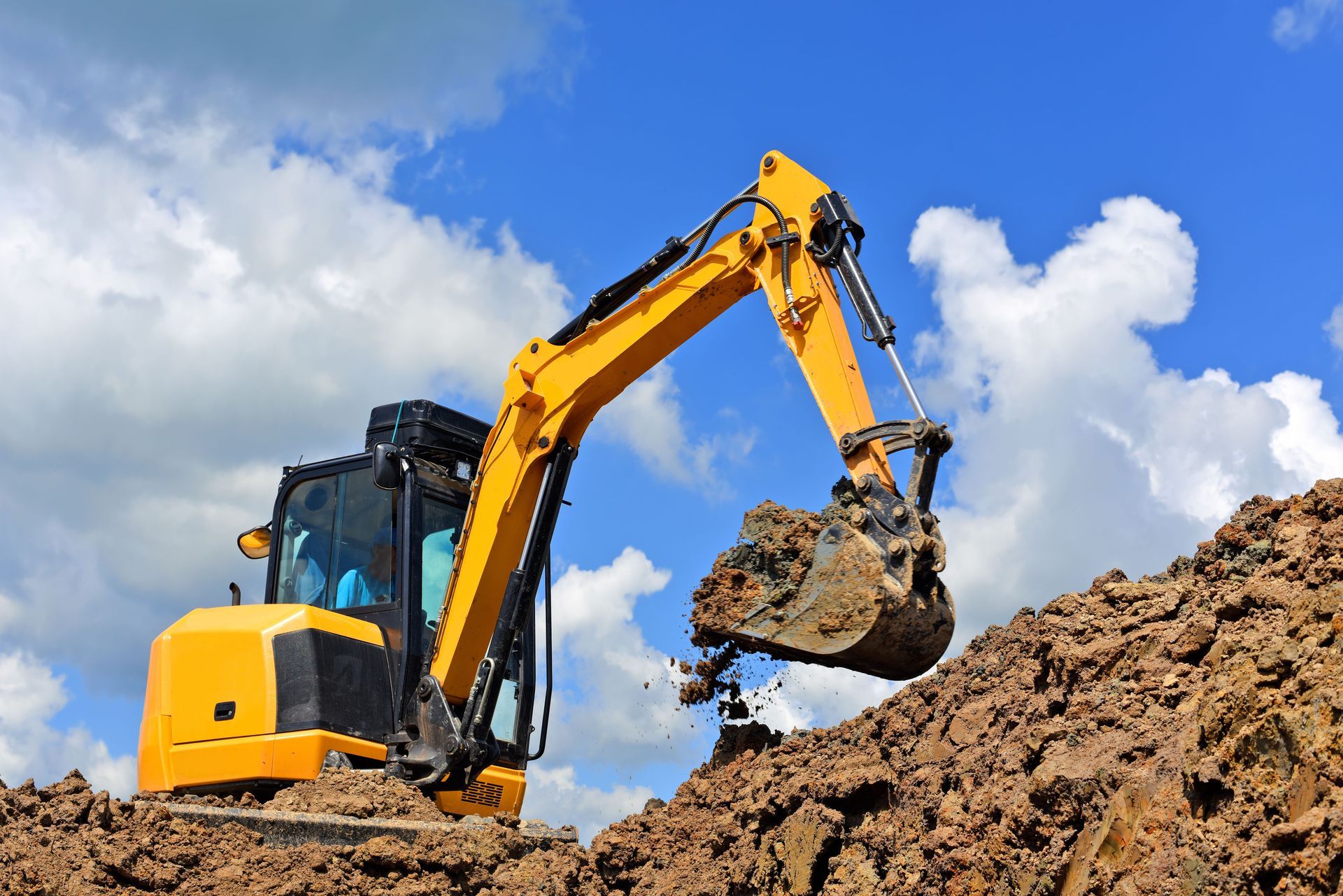
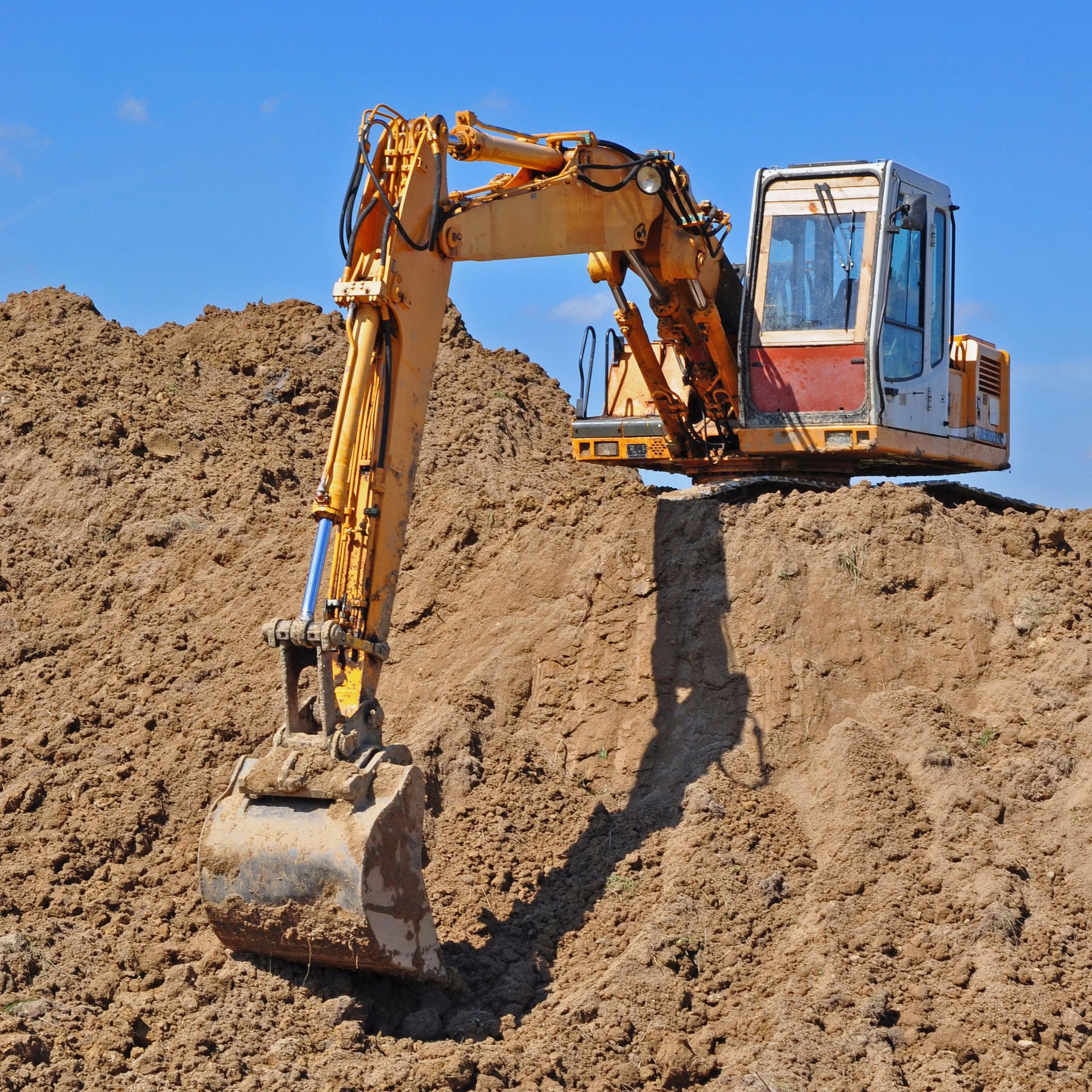
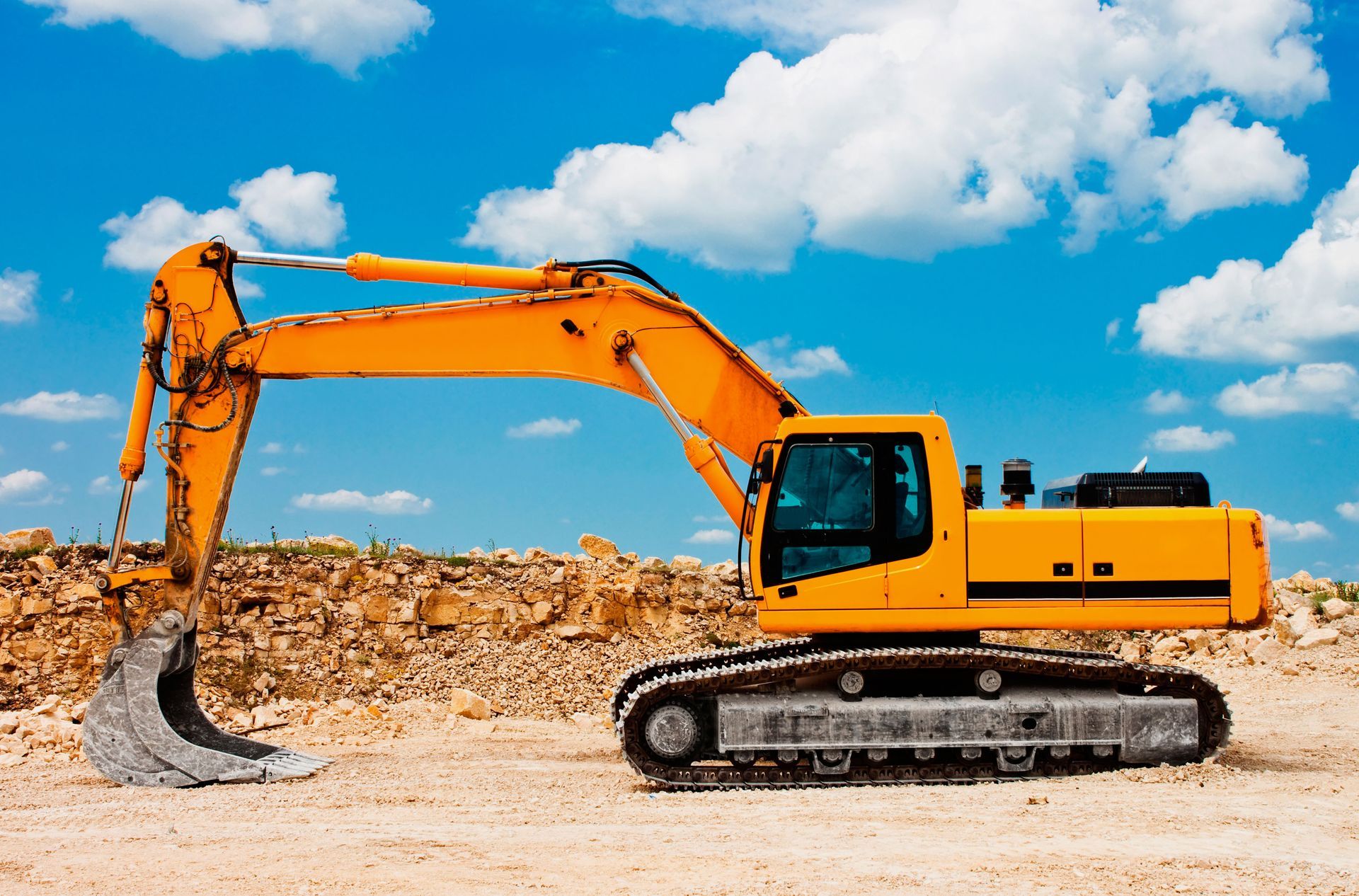
For homeowners, an excavation project is often the first major step in a much larger investment, whether that's building an addition, installing a pool, correcting drainage problems, or preparing land for construction. While excavation may look straightforward from the surface, mistakes made during this phase can create long-term structural, financial, and safety issues. Poor planning, hidden costs, and miscommunication with contractors are common problems that can quickly turn a project into a source of stress. Understanding where excavation projects tend to go wrong allows homeowners to make informed decisions, ask better questions, and protect both their property and their budget from avoidable setbacks.
1. Inadequate Planning and Research
Not Fully Understanding Site Conditions
Many homeowners assume that all soil and ground conditions are essentially the same, but what lies beneath your property can dramatically affect an excavation project. Soil composition, groundwater levels, slope, and nearby structures all influence how excavation should be performed. When these factors are overlooked, issues such as soil collapse, poor drainage, or damage to foundations can occur. A qualified excavation contractor evaluates these conditions ahead of time, helping prevent surprises that could otherwise increase costs or delay the project.
Overlooking Permits and Local Requirements
Excavation often requires permits, even for residential projects, and homeowners are sometimes caught off guard by this requirement. Local zoning laws, environmental regulations, and utility protection rules can all apply depending on the scope of work. Starting excavation without the proper approvals can result in fines, forced project stoppages, or expensive corrections. Working with a contractor who understands local requirements helps keep the project compliant and avoids unnecessary legal or administrative complications.
Underestimating Costs and Budget Needs
One of the most common mistakes homeowners make is underestimating how much excavation truly costs. Beyond the visible work, expenses can include equipment mobilization, soil removal, disposal fees, and adjustments for unexpected ground conditions. According to IBISWorld, purchases typically make up about 36% of the costs of an excavation contractor, which highlights how heavily material handling, fuel, and equipment-related expenses factor into pricing. When homeowners fail to budget for these realities, even a modest project can exceed expectations. A detailed estimate and a financial buffer help reduce the risk of budget-related stress once work begins.
Unrealistic Timelines
Homeowners often expect excavation to be completed quickly, but timelines are influenced by weather, inspections, permit approvals, and unforeseen underground obstacles. Heavy rain, for example, can halt work entirely or require additional site preparation. When timelines are too aggressive, frustration builds, and quality may suffer. A realistic schedule, explained clearly by the contractor, helps set appropriate expectations and allows the rest of the project to move forward smoothly.
Choosing the Wrong Contractor or Equipment
Not every excavation company is well-suited for residential work. Some specialize in large commercial projects and may not take the same care around homes, landscaping, or neighboring properties. Using equipment that is too large or poorly suited for a residential site can cause unnecessary damage. Homeowners benefit from choosing contractors with residential experience who select equipment based on precision and site conditions rather than convenience.
2. Neglecting Safety Considerations
Overlooking On-Site Hazards
Excavation creates inherent risks, including unstable soil, open trenches, and buried utilities. Homeowners may not always recognize these hazards, but they can pose serious safety threats to workers, residents, and nearby structures. A professional excavation contractor identifies potential dangers before digging begins and takes steps to control them throughout the project. Ignoring these risks increases the likelihood of accidents and costly damage.
Hiring Unqualified or Uninsured Crews
Attempting to save money by hiring unlicensed or uninsured workers is a gamble that often backfires. Excavation requires technical skill and experience, and mistakes can compromise the safety of your property. Without proper insurance, homeowners may be financially responsible if an accident or property damage occurs. Verifying credentials before work starts provides critical protection.
Inconsistent Use of Safety Equipment
Safety equipment is essential on excavation sites, even for residential projects. Protective gear, visible barriers, and controlled access areas help prevent injuries and accidents. Contractors who fail to follow safety protocols put everyone at risk. Homeowners should expect consistent safety practices and address concerns immediately if corners appear to be cut.
Lack of Emergency Planning
Unexpected issues such as utility strikes, equipment malfunctions, or sudden weather changes can occur during excavation. Contractors should have clear procedures in place to respond quickly and minimize disruption or damage. Homeowners benefit from knowing how emergencies will be handled before work begins, rather than reacting after a problem arises.
No Ongoing Safety Oversight
Site conditions can change daily as excavation progresses. Without regular monitoring, new hazards may go unnoticed. Ongoing safety checks help keep the project controlled and reduce the risk of incidents that could delay completion or affect surrounding areas.
3. Overlooking Environmental Impacts on the Property
Failing to Consider Environmental Effects
Excavation can affect drainage patterns, soil stability, and nearby vegetation. When environmental impacts are ignored, homeowners may experience erosion, pooling water, or long-term landscape damage. Early planning helps limit these issues and protects the property well beyond the excavation phase.
Poor Soil Erosion Control
Disturbed soil is vulnerable to erosion, especially during rain. Without proper controls, sediment can spread across the property or into neighboring areas. Temporary barriers and grading strategies help keep soil in place and reduce cleanup costs later.
Inadequate Water Management
Excavation can redirect water flow in unintended ways by altering soil grades, compacting ground surfaces, or exposing subsurface water paths. When drainage isn't properly addressed, homeowners may experience new issues such as pooling water near foundations, erosion in landscaped areas, or moisture intrusion in basements and crawl spaces. These problems often don't appear immediately and can worsen over time, leading to structural concerns or costly repairs. Contractors should evaluate how excavation will affect surface runoff and subsurface drainage and incorporate solutions such as grading adjustments or drainage systems into the plan to help prevent long-term water-related damage.
Damage to Trees and Landscaping
Tree roots and established landscaping are often casualties of poorly planned excavation, especially when digging occurs too close to mature trees, gardens, or hardscape areas. Damage to root systems can weaken trees over time, leading to decline, instability, or the need for removal months or even years after the project is complete. Landscaping features such as retaining walls, irrigation lines, and decorative plantings can also be unintentionally disturbed, adding unexpected repair costs. Careful planning and precise excavation methods help protect these elements, preserving the property's appearance and reducing the need for costly post-project restoration.
Improper Disposal of Excavated Material
Soil, rock, and debris generated during excavation must be disposed of in accordance with local regulations and environmental guidelines, which vary by municipality and project scope. Improper handling or dumping of these materials can result in fines, environmental damage, or disputes with neighboring property owners. In some cases, certain soils may require special handling if they're contaminated or unsuitable for reuse. A professional excavation company understands these requirements and coordinates proper hauling, recycling, or disposal, helping homeowners avoid legal issues while protecting surrounding land, waterways, and ecosystems.
For homeowners, excavation sets the foundation for everything that follows, making it one of the most important stages of any property improvement project. Avoiding common mistakes related to planning, safety, costs, and environmental impact can prevent long-term issues and unnecessary expenses. By working with experienced professionals at Flat Creek Excavating LLC and staying informed throughout the process, you can protect their investment and move forward with confidence. Reach out to us today to get started with a free estimate!