December 5, 2025
Excavation is a critical and complex process with a long and influential history, but it is often misunderstood. Myths and misconceptions persist, leading to inaccurate assumptions about the field. Understanding the realities behind this is essential for the general public and for professionals in related industries. By dismantling these misconceptions, we can foster better-informed discussions and more effective practices in future projects. These conversations matter because construction, development, archaeology, and conservation all depend on informed decisions. When people understand how these processes work, they can better appreciate the expertise, preparation, and regulation required to operate safely and responsibly. Improved awareness also encourages stronger community support for projects, better communication with stakeholders, and more thoughtful planning across both small-scale and large-scale initiatives.
Myth 1: Excavation Is Simple and Requires No Planning
Although many people assume the work is straightforward, it requires meticulous planning to ensure safety and efficiency. Careful preparation includes evaluating the site, determining technological needs, and coordinating schedules to minimize disruptions. Without thoughtful planning, unexpected complications can arise, delaying progress. The process is closely tied to project management principles, emphasizing foresight and readiness. Dispelling the myth of simplicity highlights how complex and detail-oriented it truly is. Many professionals also rely on risk assessments, environmental impact reviews, and logistical mapping to prepare for unpredictable circumstances such as weather changes or unstable terrain. These additional layers of planning illustrate just how much behind-the-scenes work shapes every successful project.
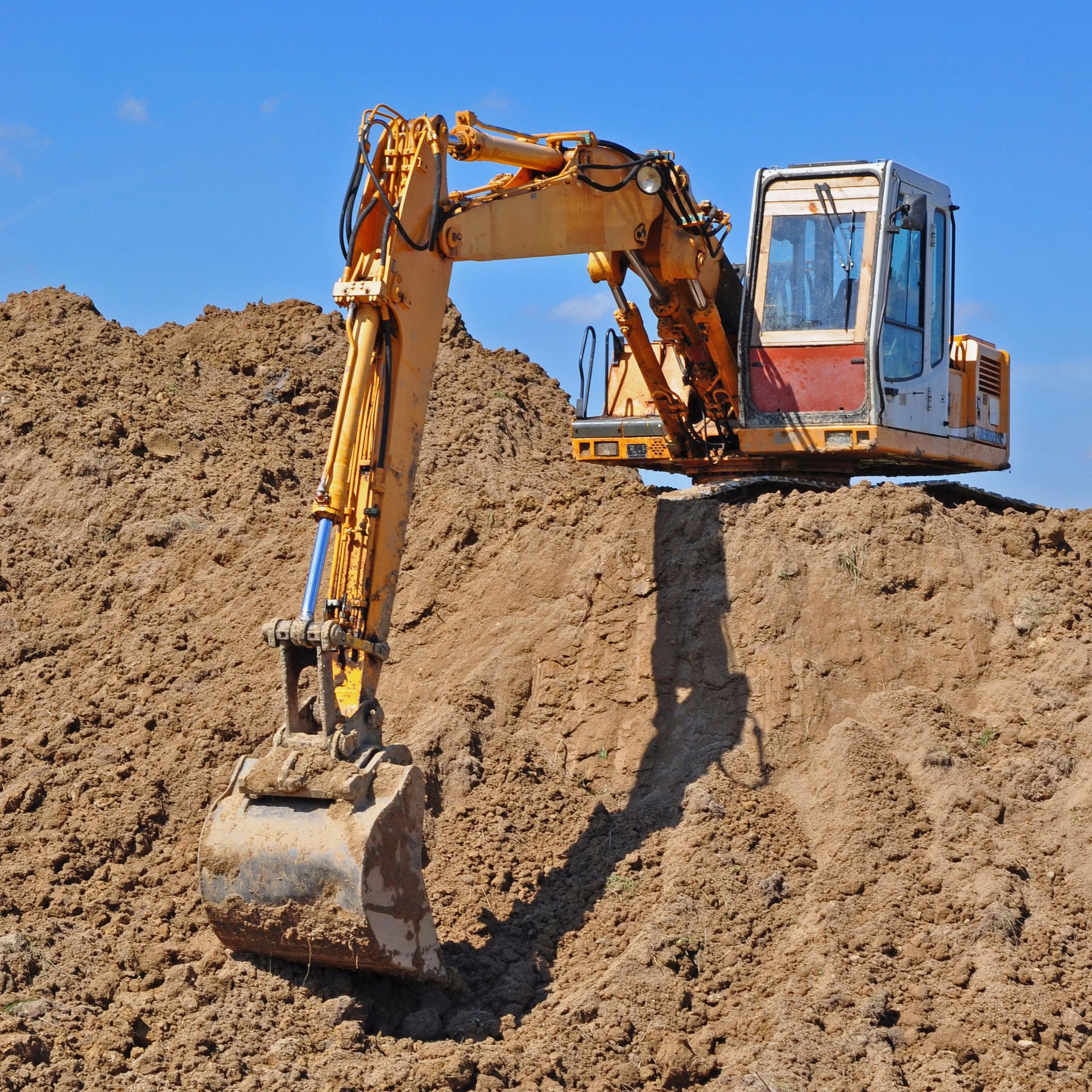
A thorough evaluation of soil conditions is a vital part of planning. Soil type dramatically influences methods, stability considerations, and safety requirements. Proper analysis determines which equipment and techniques will be effective in different conditions, such as clay, sand, or rock. Failing to assess soil can result in landslides, unstable surfaces, or equipment malfunctions. Experts must examine the soil carefully to ensure it aligns with the needs of the project before the project begins. In many regions, geotechnical engineers also monitor moisture content, groundwater patterns, and the presence of organic material. These details may seem minor, but they significantly affect long-term stability and project safety.
Engineers assess structural integrity, architects support design considerations, and environmental experts ensure compliance with sustainability standards. This collaborative, interdisciplinary approach addresses a range of challenges that may arise during excavation, demonstrating that the work is far from a simple, isolated task. Working together allows teams to spot problems early, adapt plans more efficiently, and ensure that every step aligns with the broader goals of the development.
Regulations have been established to protect historically significant areas during land-disturbing activities. These laws require thorough assessment and clearly defined protection strategies for locations with known or potential cultural value. Regulatory bodies ensure compliance with preservation standards, offering oversight and guidance. These frameworks allow those performing the project to support heritage conservation while achieving project goals, reducing the misconception that the industry disregards historical concerns. In some cases, discoveries have even enhanced project value by sparking public interest, leading to educational opportunities or community engagement initiatives.
Myth 2: Only Heavy Machinery Is Used
While heavy equipment often dominates public perception, manual methods play a crucial role in certain situations. Archaeological digs, for example, rely heavily on hand tools such as shovels, trowels, and brushes to ensure precision and prevent damage. These manual approaches allow workers to uncover delicate features without disturbing the surrounding environment. Recognizing this balance helps correct the myth that excavation depends solely on large machinery. Additionally, in confined or sensitive spaces, manual work can reduce noise, vibration, and environmental impact.
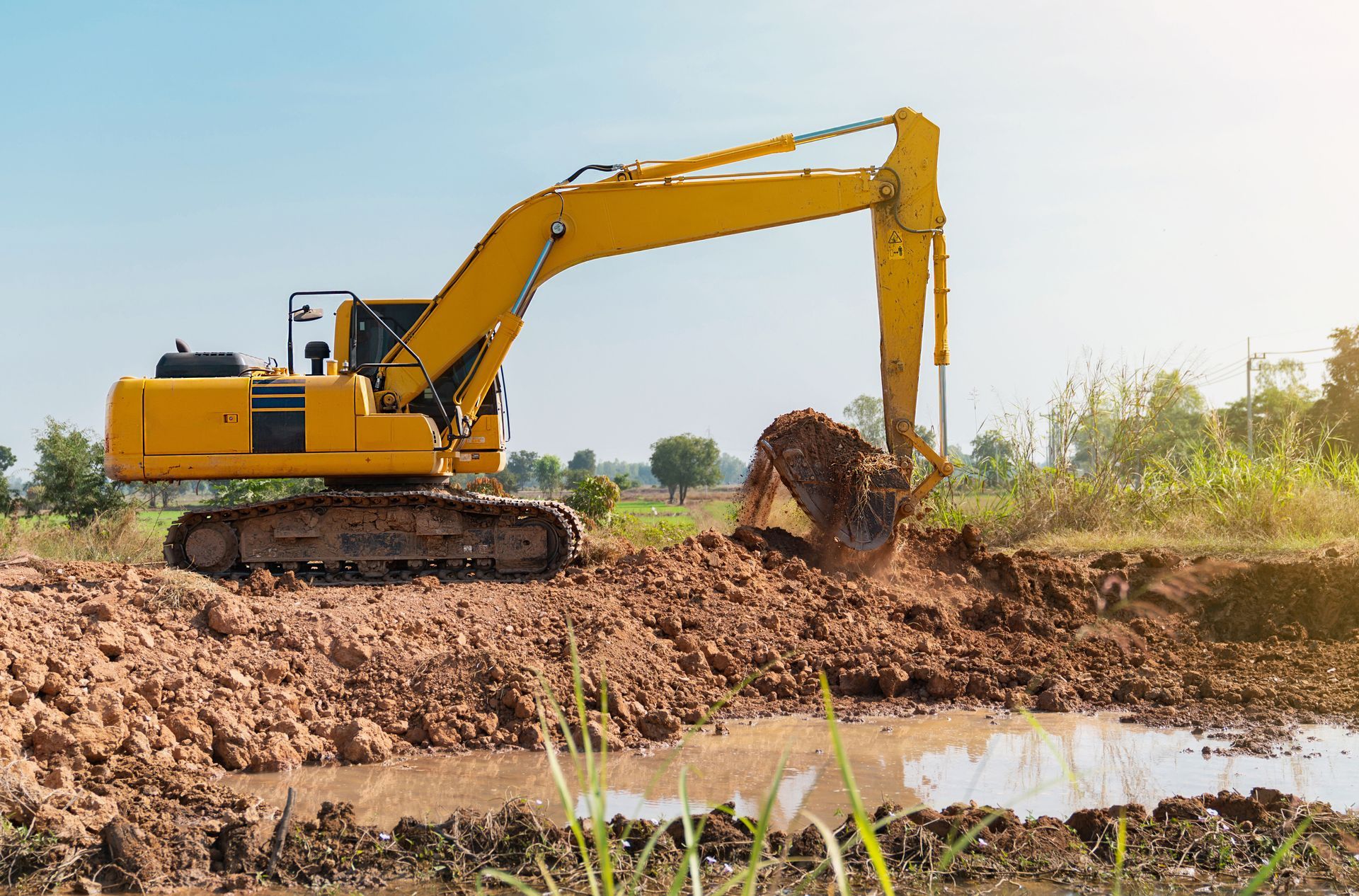
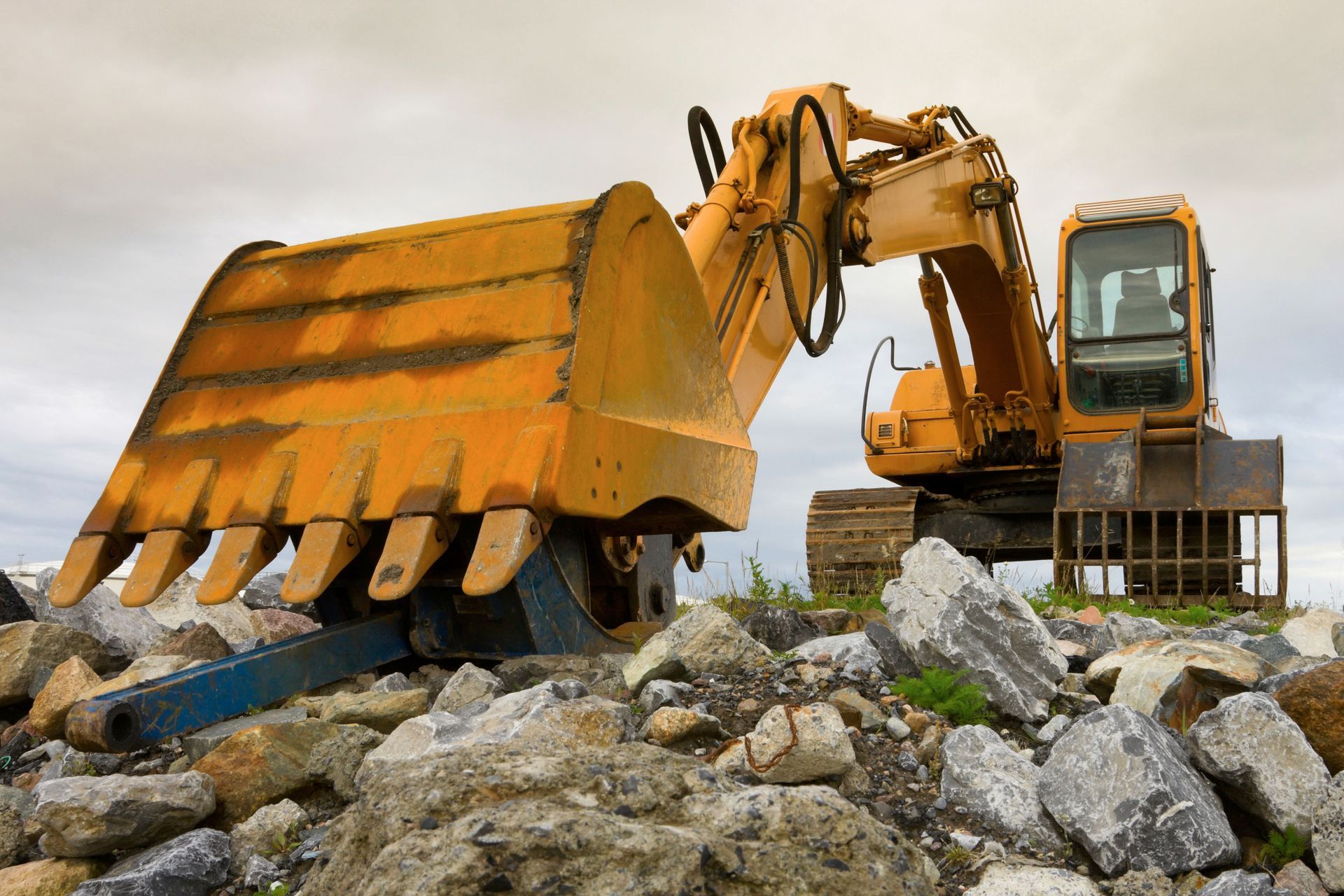
Many projects require specialized tools designed for specific conditions. Understanding the variety of equipment available highlights the adaptability required to perform these projects effectively. The industry’s wide range of tools enables precise execution on everything from utility installations to structural repairs.
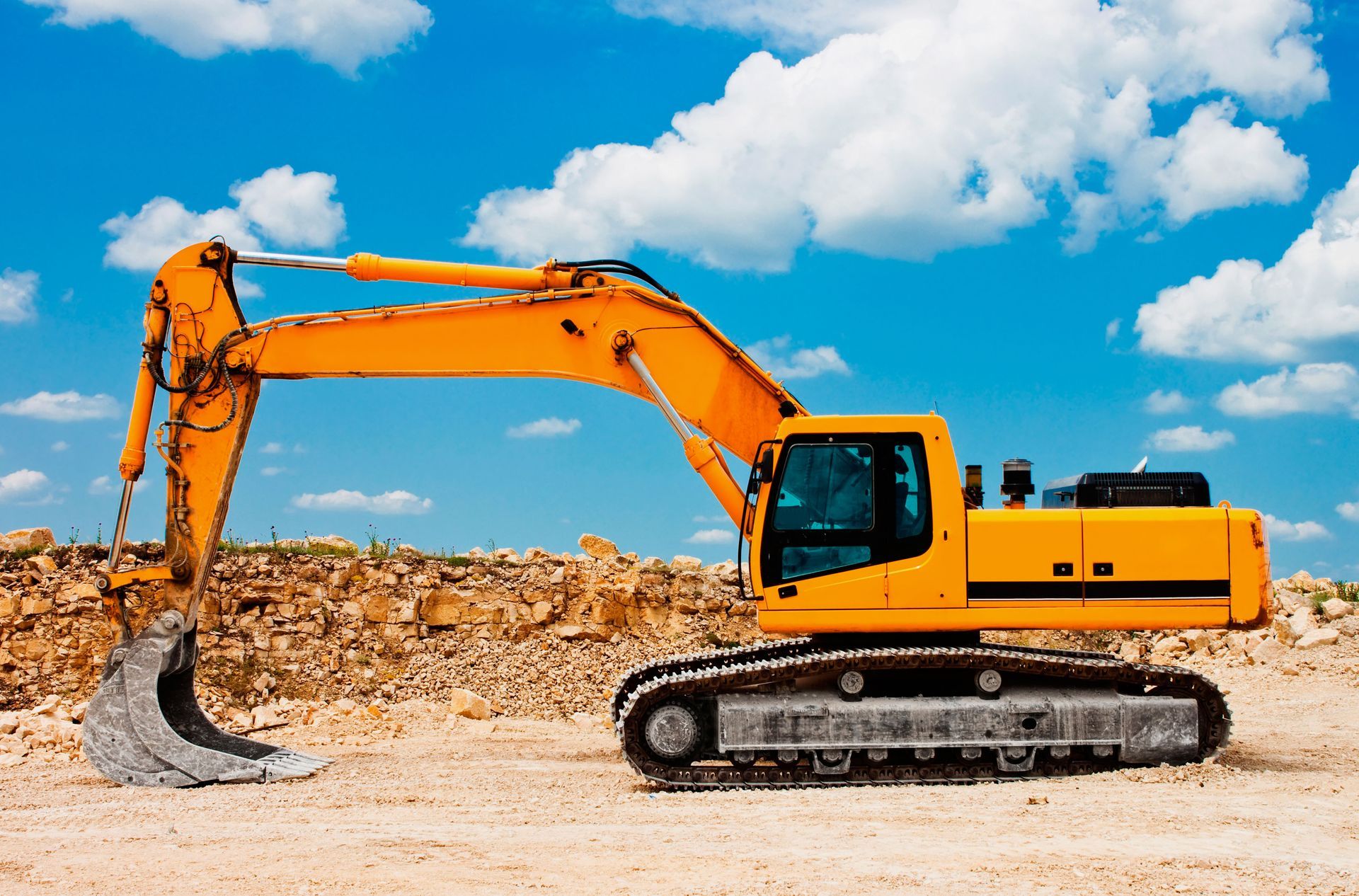
Modern technology further enhances the field. These innovations reduce human risk, streamline workflows, and promote efficient resource management. According to Future Market Insights, in 2035, the excavators industry is forecast to reach $129.7 billion, illustrating the growing reliance on advanced equipment and tools that support this broad sector. This technological momentum ensures that the industry continues evolving toward safer, cleaner, and more efficient methods.
Safety during excavation also depends on consistent equipment inspections and strict adherence to operational protocols. Regular maintenance prevents malfunctions and minimizes the risk of accidents or delays. Training employees on hazard recognition and correct equipment use reduces workplace incidents. These practices challenge the misconception that the industry is careless or unregulated, proving that modern expectations demand a high level of professional responsibility.
Myth 3: Once a Project Starts, Changes Can’t Be Made
Another misconception suggests that projects cannot adapt once ground has been broken. In reality, this work must remain flexible due to evolving site conditions. Project managers regularly assess progress and modify plans as necessary. This adaptability ensures that unexpected challenges can be addressed efficiently, proving that real-world excavation is dynamic rather than rigid. Flexibility is essential because soil conditions, weather patterns, underground utilities, and discoveries can shift priorities at any moment.
Continuous oversight and monitoring allow teams to evaluate conditions, implement adjustments, and respond to emerging issues. Advanced monitoring tools contribute to this fluidity by offering accurate, real-time data. With vigilant oversight, teams can modify practices as needed, which reinforces the truth that these projects are responsive and carefully managed. This constant flow of information enables better decision-making and ultimately improves safety and performance.
Unexpected discoveries during the process may require altering project priorities. Whether cultural artifacts, environmental concerns, or structural surprises arise, teams reassess objectives to balance preservation responsibilities with project requirements. This collaborative decision-making process dismantles the myth that excavation projects follow an unchangeable plan. These adjustments also help reduce long-term complications, ensuring the final project stands on a more stable and well-understood foundation.
Myth 4: All Projects Impact the Environment Negatively
Responsible teams employ methods that minimize land disturbance, preserve surrounding areas. Integrating sustainable design principles ensures that ecological concerns remain a priority during project execution. This demonstrates that the field is capable of aligning progress with environmental stewardship.
Environmental regulations also protect ecosystems affected by ground-disturbing activities. Laws guide project planning, equipment selection, and operational methods to maintain biodiversity and mitigate ecological harm. Agencies enforce compliance, ensuring that the project aligns with conservation objectives. These standards push the industry toward safer, more sustainable strategies. Some jurisdictions even require environmental restoration bonds, ensuring that damaged areas will be rehabilitated properly.
Rehabilitation efforts after the work is complete help restore sites to their natural or intended state. Soil stabilization, replanting, and habitat reconstruction all contribute to long-term site recovery. By committing to restoration, these projects can become community assets rather than environmental burdens. This counters the belief that all such work is inherently destructive. Proper restoration not only improves ecosystems but also enhances public trust in development practices.
Myths surrounding excavation have long shaped public perception, but the reality is far more nuanced. By debunking these misconceptions, we gain a deeper appreciation for the knowledge, planning, and coordination involved. Recognizing the complexities promotes integrity, respect, and innovation in the projects that shape our communities and landscapes. As public awareness increases, more people can recognize the value of responsible ground-disturbing work and support improvements that benefit both society and the environment. For all of your excavating needs, contact Flat Creek Excavating LLC today!